Advanced organic mist removal for industrial processes
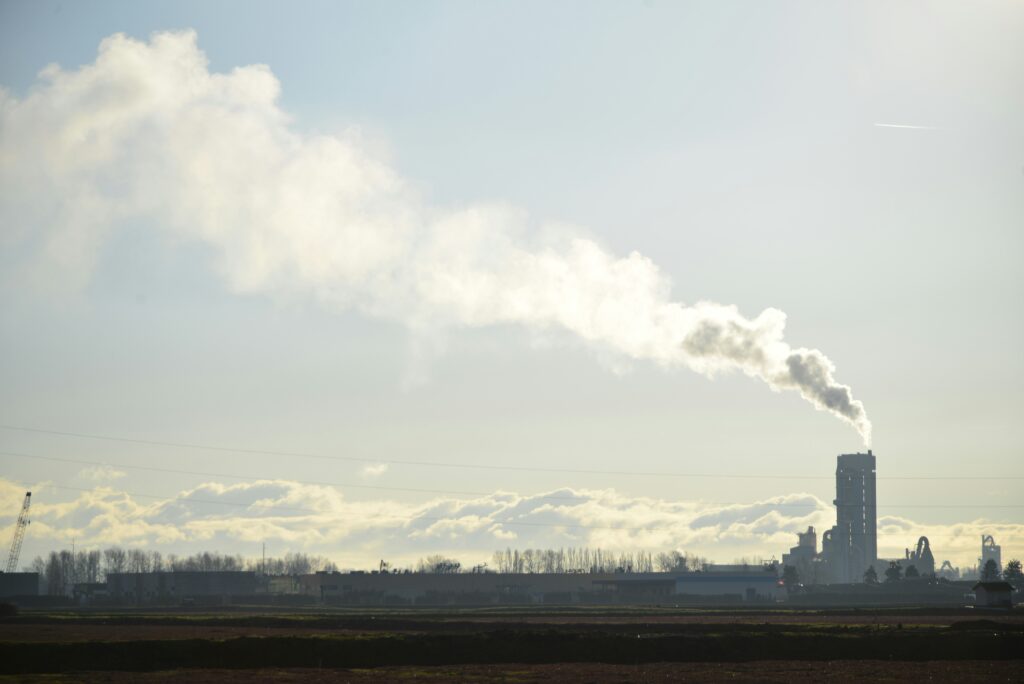
Industrial processes such as PVC flooring, vinyl belting, roofing, bitumen handling, plastics processing and textile finishing generate condensed organic vapors that create visible blue smoke, odors and particulate emissions. The Ecosystems/MECS Brink Organic Mist Reduction System (OMRS) combines pre-filtration, optional cooling/condensation and high-efficiency Brink fiber bed mist elimination to deliver very high removal efficiencies while enabling recovery of valuable condensate.
The challenge
Heat-driven processes release high-boiling organic compounds that condense into submicron aerosols. Untreated emissions create visible plumes, odor, opacity issues and potential regulatory non-compliance. Traditional technologies such as wet scrubbers or electrostatic precipitators may provide lower efficiency or require more maintenance.
Technology overview
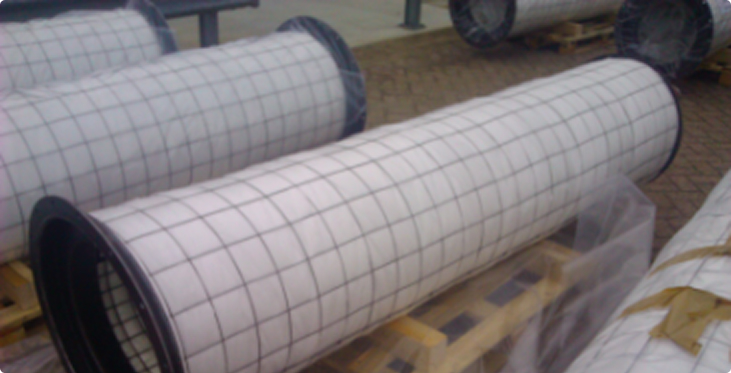
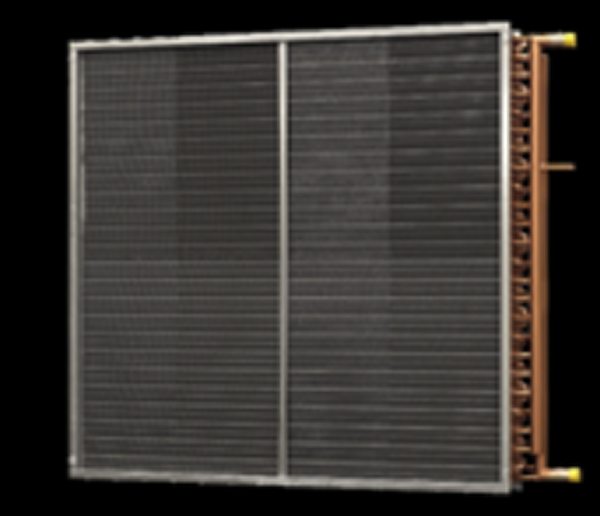
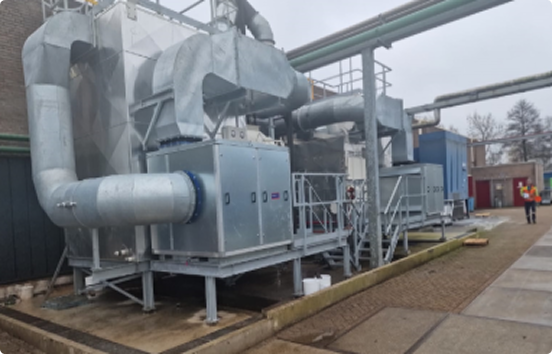
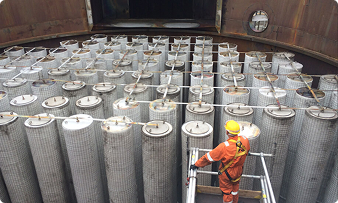
The solution consists of three stages: (1) high-efficiency pre-filtration, (2) optional cooling/condensation using a heat exchanger or low-energy adiabatic cooling where appropriate, and (3) Brink fiber bed mist elimination. The proprietary Brink elements include a unique drainage layer that increases liquid handling capacity, minimizes re-entrainment and extends operating life.
Performance
Typical performance includes essentially complete removal of droplets larger than 3 microns and approximately 99% removal of droplets below 3 microns. Typical outlet concentrations are below 5 mg/Nm³ and often below 1 mg/Nm³. Organic condensate is continuously drained and can frequently be recovered for reuse.
System advantages
- Self-cleaning, self-draining design
- No moving parts except the blower
- Skid-mounted, factory-tested package
- Stable efficiency across process turndown
- Low maintenance and long filter life (typically 5–6 years depending on service).
- Special coolings designed for longer life
- Optional heat exchanger, pump-out, wash system, stainless construction and heat tracing.
Sustainability and CO₂ reduction
Compared to more traditional systems including afterburners the OMRS demonstrates that replacing thermal destruction with high-efficiency mist filtration significantly reduces natural gas consumption, lowers CO₂ emissions and enables recovery of plasticizer instead of destroying it. The technology therefore combines environmental compliance with reduced operating costs.
Case study
A vinyl-coated textile manufacturer (Bo-Tex, Georgia) installed the Brink OMRS to eliminate plasticizer smoke while supporting increased production. The system reportedly removes up to 99.5% of particles, eliminates natural gas consumption associated with afterburners, enables plasticizer recovery and provides low maintenance costs.
Benefits for end users
- Regulatory compliance
- Improved workplace and community air quality
- Reduced visible emissions and odor
- Lower operating cost than thermal oxidation in many applications
- Recovery and reuse of valuable organics
- Designed for the future including new plasticizers like bezoates
- High availability and long service life.
Conclusion
The Ecosystems/MECS Brink Organic Mist Reduction System (OMRS) is a proven technology for controlling organic mist emissions across plastics, textiles, asphalt, aluminum rolling and related industries. By combining high collection efficiency with energy-efficient operation and condensate recovery, it provides both environmental and economic benefits.
The system is also available for lubrication oil processes and edible oil.
GET IN TOUCH
Request a quote or speak with our experts to find the best solution for your plant.

You may also like:
Is your sulfuric acid plant at risk of costly failures?
3 ways industries can reduce gas emissions today
Industrial gas emission control: ensuring cleaner and safer air
SOLUTIONS, PRODUCTS AND SERVICES
Continue exploring
Solutions
Products