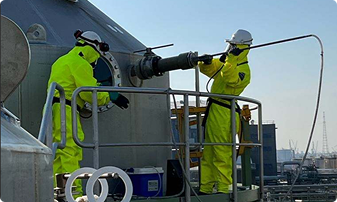
Is your sulfuric acid plant at risk of costly failures?
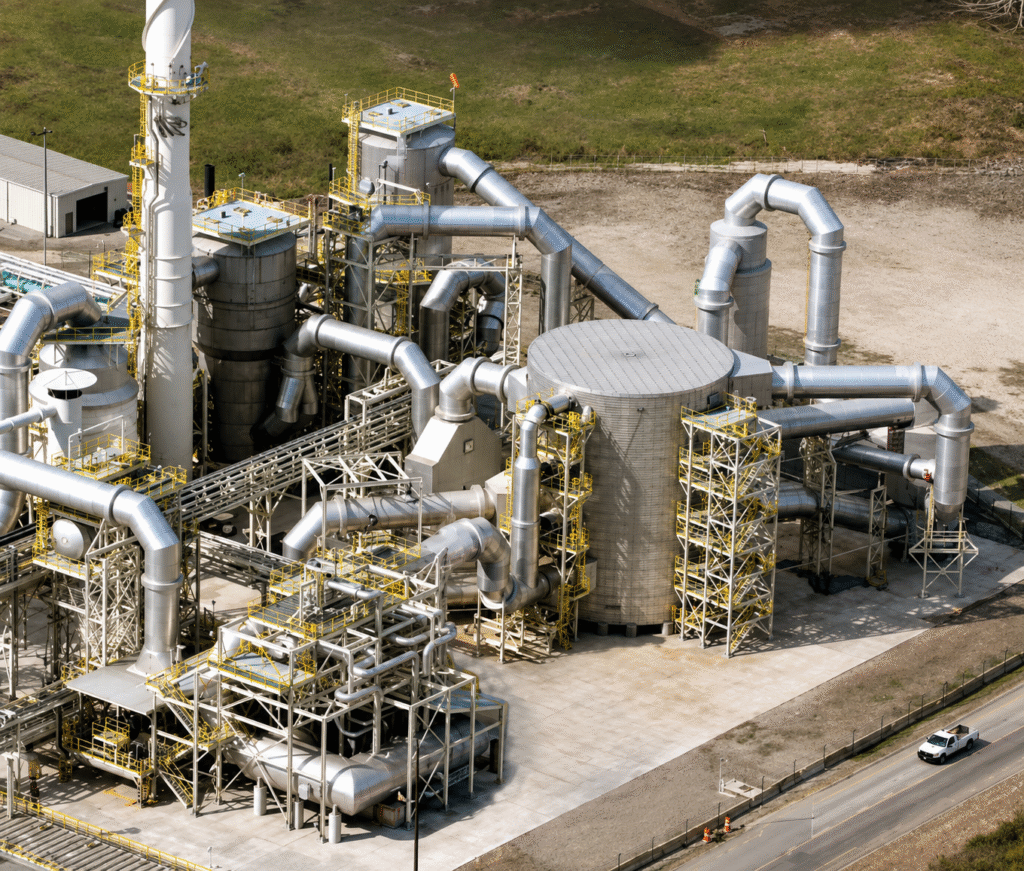
In sulfuric acid production, reliability is everything. Even a minor issue—such as an undetected leak or equipment degradation—can quickly escalate into costly downtime, safety incidents, or regulatory non-compliance.
If your goal is to:
- Prevent accidents and costly downtime
- Avoid unplanned shutdowns
- Ensure 100% sulfuric acid quality compliance
- Meet industry standards and regulatory requirements
- Boost plant safety, reliability, and efficiency with 24/7 monitoring
Then proactive inspection, monitoring, and testing are not optional—they are essential.
Below are key actions every plant operator should implement today.
1. Detect issues early with continuous monitoring
Early detection is one of the most effective ways to prevent major operational failures.
Water and steam leaks, for example, can severely impact sulfuric acid quality and damage critical equipment if left unnoticed. Using advanced monitoring tools like the Ohio Lumex Ei4200 dew point monitor allows plants to detect moisture deviations in real time.
This enables operators to:
- Identify leaks at an early stage
- Maintain consistent process conditions
- Avoid contamination and costly repairs
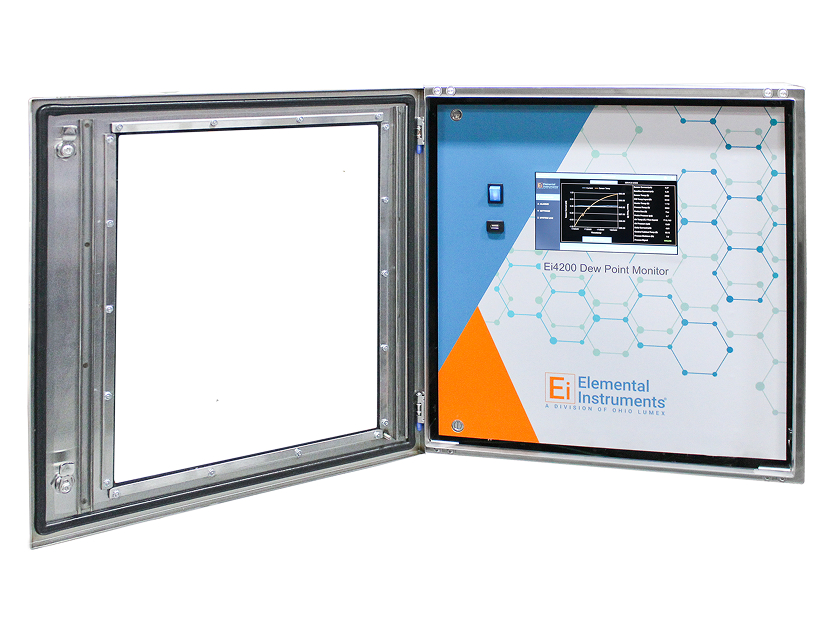
👉 Result: Reduced risk of shutdowns and improved operational control.
2. Perform regular inspection and Non-Destructive Testing (NDT)
Preventive maintenance is key to ensuring long-term plant integrity.
Critical assets in sulfuric acid plants—such as acid coolers and heat exchangers—are exposed to harsh conditions and must be regularly inspected to avoid unexpected failures.
Best practices include:
- Eddy current testing on acid coolers to detect internal corrosion or tube damage
- NDT inspections on gas-to-gas heat exchangers during turnarounds (TA)
- Routine structural and mechanical integrity checks
These methods allow operators to assess equipment health without disrupting operations.
👉 Result: Increased equipment lifespan and reduced unplanned downtime.
3. Optimize process performance for maximum efficiency
Even well-maintained plants can underperform without regular performance assessments.
Technologies such as MECS PeGaSyS testing provide valuable insights into converter efficiency and catalyst performance, enabling operators to fine-tune operations and reduce inefficiencies.
Additionally:
- Mist eliminator checks through mist sampling ensure effective acid mist removal
- Process optimization helps maintain product quality and emission control

👉 Result: Improved efficiency, reduced emissions, and consistent product quality.
4. Ensure compliance with expert inspections
Regulatory compliance is becoming increasingly strict across Europe, and sulfuric acid plants are under growing scrutiny.
Partnering with experienced specialists—like Ecosystems Europe—ensures that your plant:
- Meets all industry and environmental standards
- Operates safely and efficiently
- Identifies risks before they become critical
Ecosystems inspections provide a comprehensive evaluation of your plant’s condition and compliance status.
👉 Result: Peace of mind and full regulatory alignment.
Take control before problems escalate
Unplanned shutdowns and safety incidents are not just costly—they are preventable.
By combining:
- Continuous monitoring
- Advanced diagnostics and NDT
- Process optimization
- Expert inspections
Sulfuric acid plants can significantly improve safety, reliability, and efficiency.
At Ecosystems Europe, we help operators stay ahead of risks with tailored inspection and monitoring solutions designed specifically for the sulfuric acid industry.
GET IN TOUCH
Request a quote or speak with our experts to find the best solution for your plant.

You may also like:
Advanced organic mist removal for industrial processes
3 ways industries can reduce gas emissions today
Industrial gas emission control: ensuring cleaner and safer air
SOLUTIONS, PRODUCTS AND SERVICES
Continue exploring
Solutions
Products