3 ways industries can reduce gas emissions today
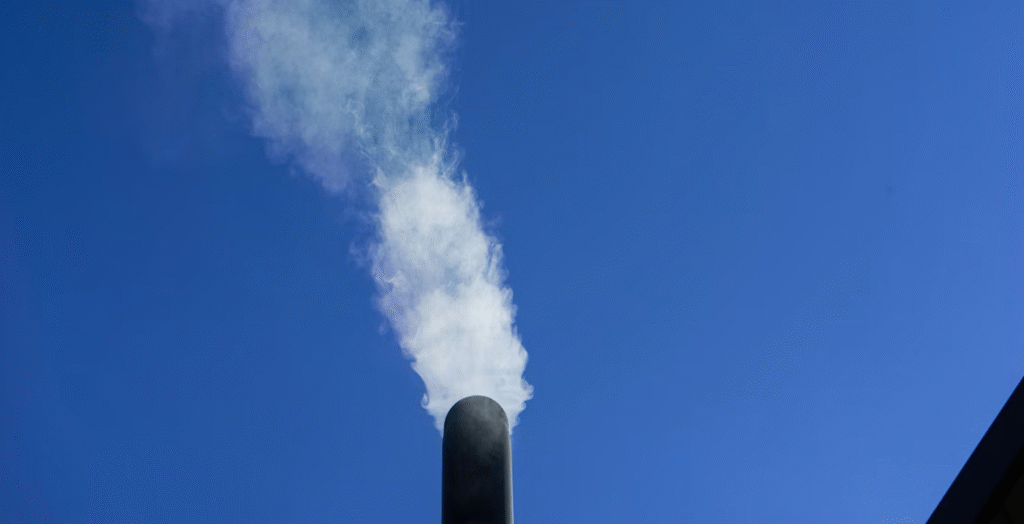
As industries across Europe face increasing pressure to meet sustainability targets and comply with stricter environmental regulations, reducing gas emissions is no longer a long-term ambition—it’s an immediate priority.
The good news? Companies don’t need to wait for future technologies. There are already proven, highly efficient solutions available today that can significantly reduce emissions while improving operational performance.
Here are three practical ways industries can take action right now.
1. Implement advanced gas purification systems
One of the most effective ways to reduce emissions is by treating gases before they are released into the atmosphere.
Industrial processes often generate harmful gases such as volatile organic compounds (VOCs), hydrogen sulfide (H₂S), and other pollutants. Without proper treatment, these emissions contribute to air pollution, environmental damage, and regulatory risks.
Activated carbon filtration is a highly efficient solution widely used across industries for gas purification. Its porous structure enables it to adsorb a wide range of contaminants, making it ideal for:
- Air purification in industrial plants
- Biogas cleaning
- Chemical and petrochemical processing
- Odor control in wastewater treatment
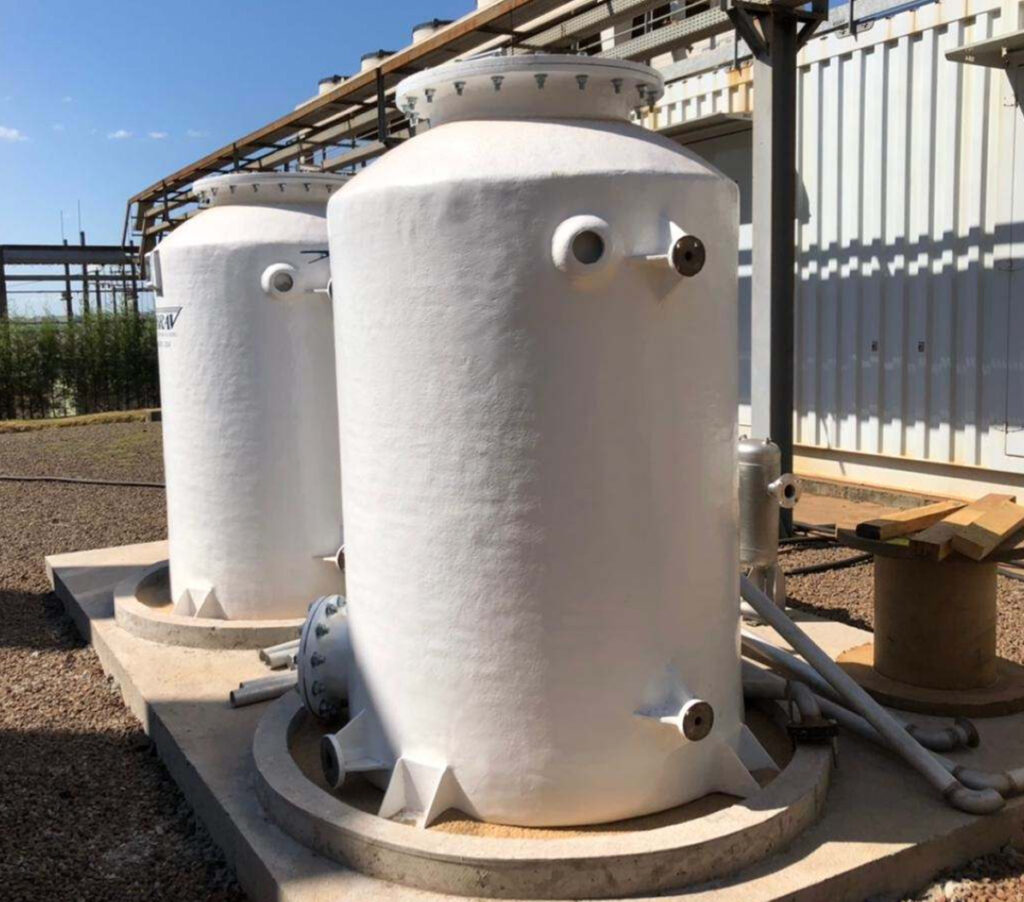
By integrating activated carbon systems, companies can dramatically reduce harmful emissions while improving air quality both inside and outside their facilities.
👉 Key benefit: Immediate reduction of pollutants with a scalable and cost-effective solution.
2. Optimize existing processes for efficiency
Reducing emissions is not only about adding new technology—it’s also about improving what’s already in place.
Many industrial operations unintentionally generate excess emissions due to inefficient processes, outdated equipment, or suboptimal operating conditions. Even small adjustments can lead to significant improvements.
Examples of process optimization include:
- Improving temperature and pressure control to minimize unwanted byproducts
- Reducing energy consumption in heating and combustion processes
- Enhancing material efficiency to limit waste and emissions
- Upgrading to more efficient filtering or adsorption systems
In many cases, companies find that optimizing their gas treatment systems—such as replacing or upgrading carbon media—can boost performance without major capital investment.
👉 Key benefit: Lower emissions and operational costs at the same time.
3. Capture and reuse valuable gases
Instead of simply treating emissions as waste, industries can increasingly view them as a resource.
Technologies are now available to capture and reuse gases such as methane, CO₂, and other byproducts. This approach not only reduces environmental impact but also creates new value streams.
Examples include:
- Biogas upgrading: Removing impurities to produce renewable natural gas
- Solvent recovery systems: Capturing and reusing VOCs
- Carbon capture and utilization (CCU): Converting CO₂ into usable products
Activated carbon again plays a key role here, enabling selective adsorption and purification of gases so they can be reused safely and efficiently.
👉 Key benefit: Turning emissions into a resource while reducing environmental footprint.
Moving forward: practical sustainability starts today
The path to lower emissions doesn’t have to be complex or costly. By combining proven technologies like activated carbon with smarter process management, industries can make meaningful progress—starting today.
At Ecosystems Europe, we work closely with industrial partners to design tailored solutions for gas purification, air treatment, and emission reduction. Our goal is simple: to help companies operate more sustainably without compromising performance.
GET IN TOUCH
Request a quote or speak with our experts to find the best solution for your plant.
You may also like:

Advanced organic mist removal for industrial processes
Is your sulfuric acid plant at risk of costly failures?
Industrial gas emission control: ensuring cleaner and safer air
SOLUTIONS, PRODUCTS AND SERVICES
Continue exploring
Solutions
Products