VOC Emission Reduction
Reduce VOC emissions. Improve compliance. Protect air quality.
Volatile Organic Compounds (VOCs) are generated across a wide range of industrial processes and can contribute to environmental impacts, odour emissions, safety concerns, and regulatory challenges.
Our VOC Emission Reduction solutions are designed to capture, remove, and control VOC emissions while supporting operational efficiency, environmental compliance, and long-term sustainability goals.
INTRODUCTION
Effective VOC control for industrial processes
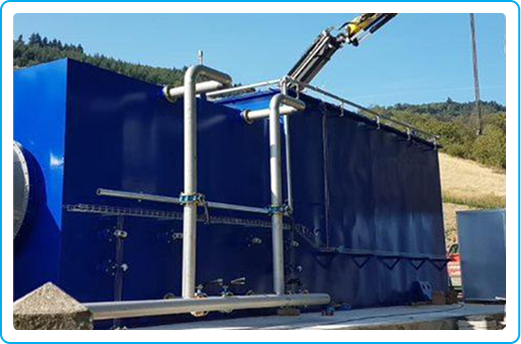
Many industrial operations release VOCs through evaporation, heating, coating, storage, drying, or manufacturing processes.
If left untreated, VOC emissions can result in:
- Environmental compliance issues
- Odour complaints
- Product losses
- Reduced workplace air quality
- Increased operational risks
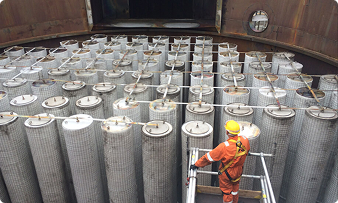
Our solutions combine cooling, aerosol removal, gas scrubbing, and activated carbon filtration to deliver reliable VOC emission control tailored to each application.
CHALLENGES
Industry challenges

Regulatory Compliance
Industrial facilities face increasingly stringent VOC emission limits and environmental reporting requirements.
✅ Our solution:
Tailored VOC reduction systems designed to help facilities achieve compliance while maintaining operational performance.

Odour Emissions
Many VOCs contribute directly to nuisance odours and community complaints.
✅ Our solution:
Integrated VOC and odour control technologies help improve environmental performance and public acceptance.

Product Losses
Organic compounds, plasticizers, solvents, and oils can be lost through process emissions.
✅ Our solution:
Capture and recover valuable compounds before they leave the process.

Workplace Air Quality
Exposure to VOCs can affect workplace conditions and increase safety concerns.
✅ Our solution:
Reduce airborne VOC concentrations through effective capture and treatment.
HOW VOC EMISSION REDUCTION WORKS
Tailored VOC treatment technologies
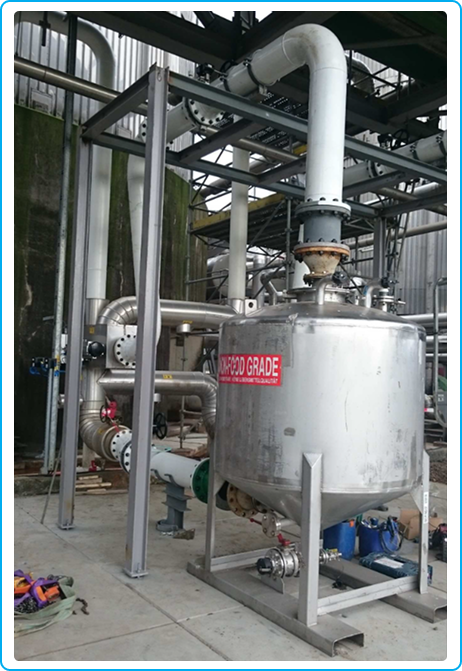
Depending on the source, composition, and concentration of VOC emissions, one or more technologies may be applied.


PERFORMANCE
Designed for reliable VOC reduction

Up to 99.9%
VOC removal efficiency.
Reduced
Environmental impact.
Lower
Odour emissions
Improved
Regulatory compliance
Enhanced
Process efficiency
KEY BENEFITS
Why Choose VOC Emission Reduction?
TYPICAL APPLICATIONS
Designed for VOC emission challenges
FAQ
Do you have questions?
SOLUTIONS, PRODUCTS AND SERVICES
Continue exploring
Solutions
Products
Services
GET IN TOUCH
Request a quote or speak with our experts to find the best solution for your plant.