Gas Scrubbers
Reliable gas treatment for industrial emission control
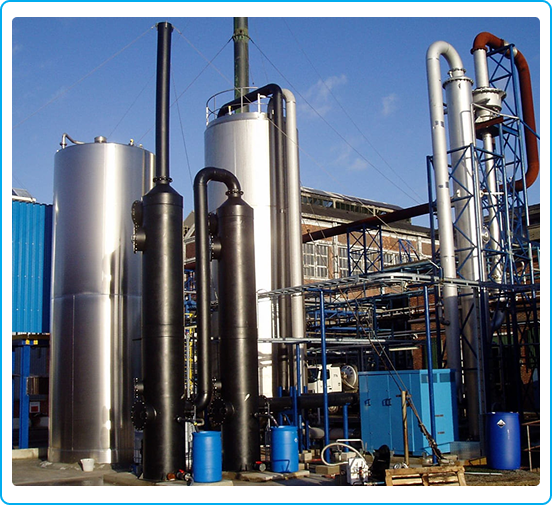
Our gas scrubbers are designed to remove acid gases, inorganic compounds, odours, particulate matter, and process contaminants from industrial exhaust streams.
Engineered for demanding industrial environments, they help facilities improve environmental performance, protect equipment, and achieve regulatory compliance.
WHAT IS A GAS SCRUBBER?
Proven technology for gas and emission treatment
Gas scrubbers use a liquid absorbent to remove contaminants from gas streams through direct gas-liquid contact.
Depending on the application, scrubbers can effectively remove:
By selecting the appropriate scrubbing solution and system configuration, scrubbers can be tailored to a wide range of industrial processes and contaminants.
APPLICATIONS
Designed for complex emission challenges
Desulfurization
Removal of SO₂ and SO₃ from industrial exhaust streams.

Chemical Manufacturing
Control of process emissions, solvents, and inorganic compounds.
Waste & Resource Recovery
Treatment of odour and contaminant-laden exhaust gases.
Acid Fume Treatment
Removal of HCl, HF, sulphur compounds, and corrosive gases.

Industrial Odour Control
Control odour-causing compounds including H₂S and ammonia.
Renewable Energy & Biogas
Gas cleaning for improved performance.
HOW GAS SCRUBBERS WORK
A proven absorption process

Contaminated gas entry
The gas stream enters the scrubber vessel.

Gas-liquid contact
The gas comes into contact with the scrubbing liquid through packing, sprays, or other contact mechanisms.

Absorption & reaction
Contaminants are absorbed into the liquid phase and neutralized where required.

Particulate capture
Fine particles and aerosols are removed from the gas stream.

Process control
Operating parameters such as pH, conductivity, and liquid circulation are monitored and controlled.

Clean gas exit
Treated gas leaves the system with reduced contaminant concentrations.
PERFORMANCE
Built for industrial reliability
SCRUBBER TYPES
Selecting the right technology

Packed bed
Uses a packed column filled with media to maximize gas–liquid contact.
Focus: Efficient absorption of soluble gases and fine chemical removal.
Applications: Acid gas removal (e.g., HCl, SO₂), chemical processing, wastewater treatment off-gases.

Venturi scrubbers
Accelerates gas through a narrow throat where liquid is injected, creating intense mixing.
Focus: High-efficiency particulate removal, especially fine particles.
Applications: Dust, fumes, and mist control in power plants, metal processing, and incineration.

Spray column
Sprays liquid droplets directly into a vertical gas stream without packing.
Focus: Simple gas absorption and cooling with low pressure drop.
Applications: Pre-scrubbing, quenching hot gases, and removing coarse particulates.

Horizontal scrubbers
Gas flows horizontally through a chamber with sprays or other contact mechanisms.
Focus: Handling large gas volumes with moderate cleaning efficiency.
Applications: Industrial exhaust systems where space or layout favors horizontal flow.

Tray columns
Gas passes through liquid layers held on trays, enhancing contact.
Focus: Controlled staged absorption with good efficiency.
Applications: Chemical and petrochemical industries, acid gas and solvent recovery.

Reverse-jet
Uses high-velocity reverse jets of liquid or gas to capture particulates.
Focus: Effective removal of sticky or difficult particles with self-cleaning action.
Applications: Processes with heavy dust loads, sticky aerosols, or fibrous materials.
study
Need help selecting the right Scrubber?
Choosing the right scrubber depends on:
Our engineers can help determine the most suitable solution for your application.
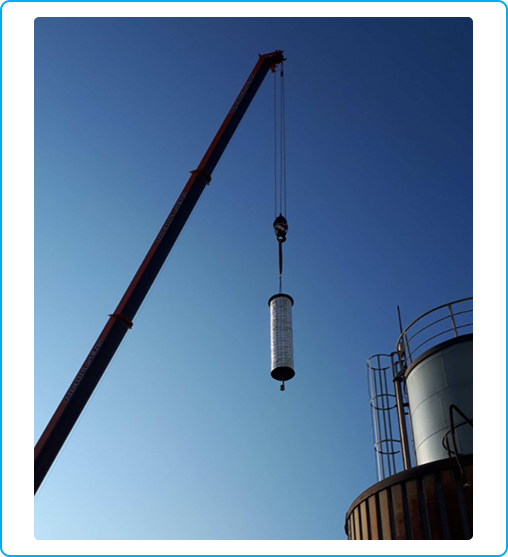
RELATED SOLUTIONS
Commonly associated applications
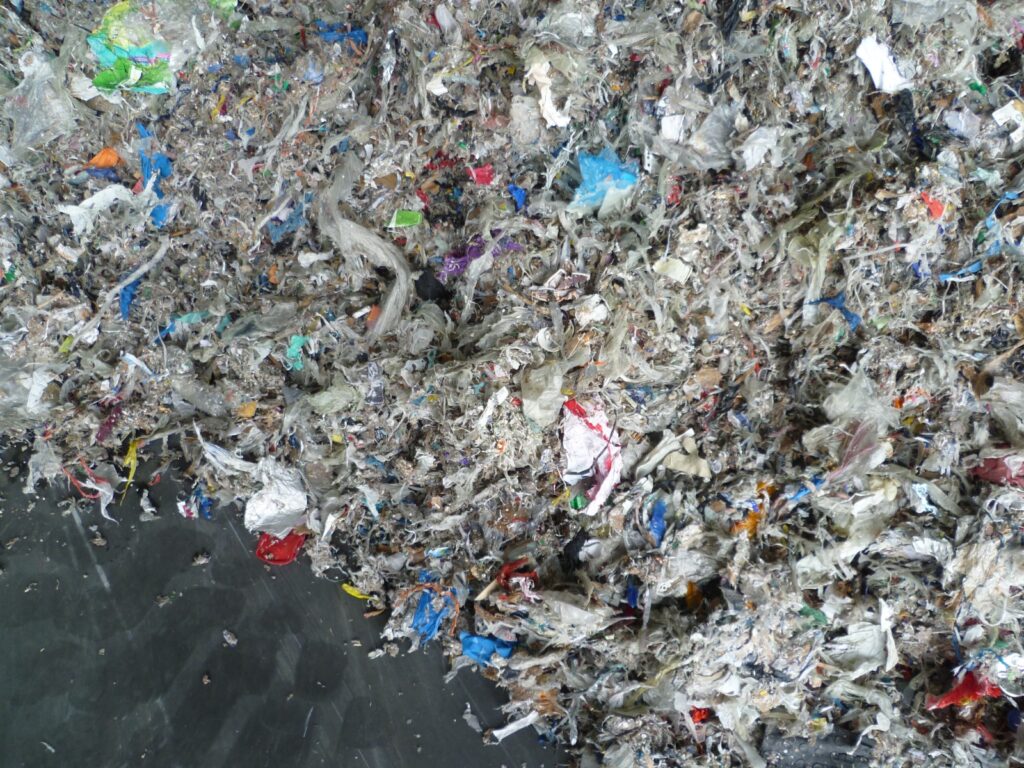
Industrial Odour Control
Treatment of H₂S, NH₃, and odour-causing compounds.
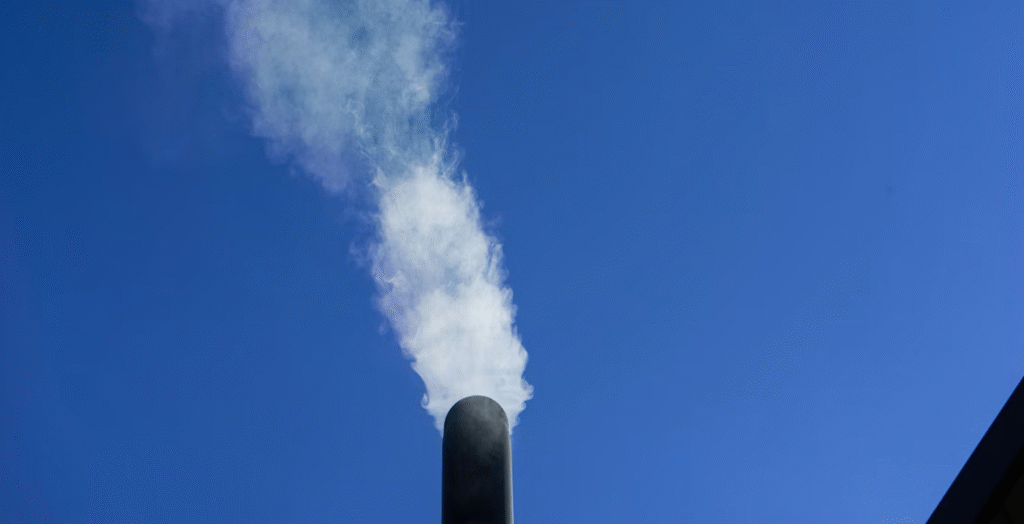
Acid Fume Treatment
Removal of corrosive gases and acid aerosols.
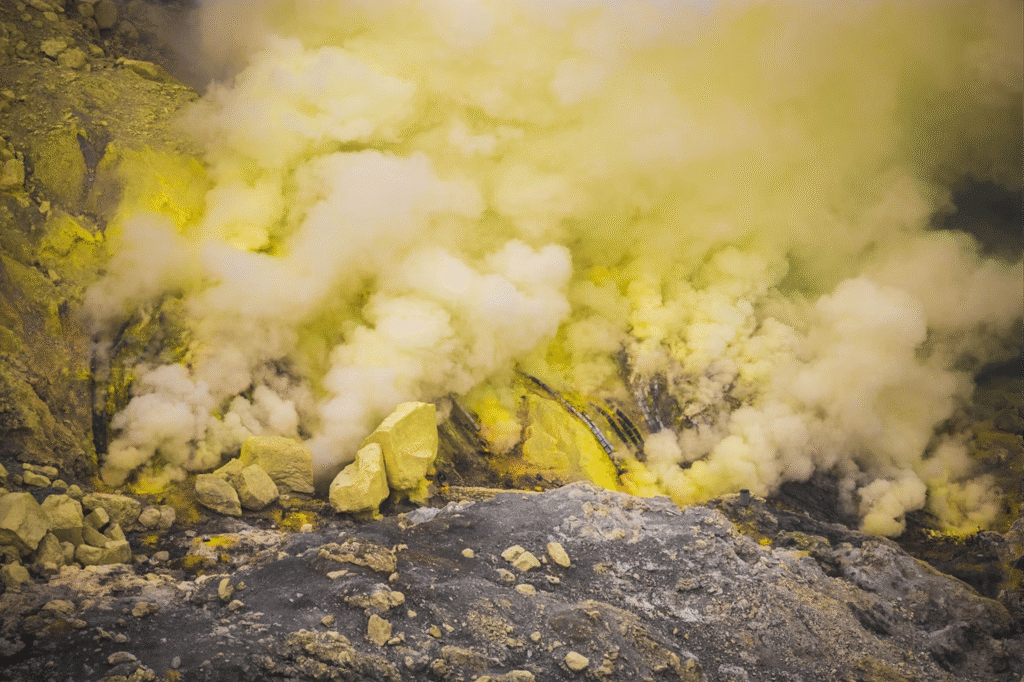
Desulfurization
SO₂ and SO₃ emission reduction systems.
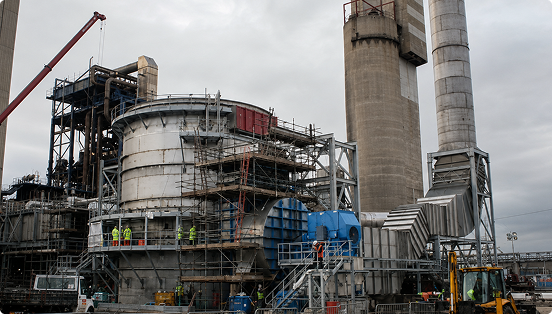
Emission control and gas treatment projects
Integrated projects combining scrubbers, mist eliminators, and activated carbon filtration.
FAQ
Do you have questions?
SOLUTIONS, PRODUCTS AND SERVICES
Continue exploring
Solutions
Products
Services
GET IN TOUCH
Request a quote or speak with our experts to find the best solution for your plant.