Activated carbon
High-Performance adsorption solutions for air, gas, and liquid treatment
Activated carbon is one of the most effective technologies for removing VOCs, odours, sulphur compounds, and other contaminants from industrial air and process streams.
INTRODUCTION
What is activated carbon?
Activated carbon is a highly porous adsorption material used to remove contaminants from air, gas, and liquid streams.
Its large internal surface area enables organic compounds, odours, solvents, and other pollutants to be captured within micro pores, making it one of the most effective purification technologies available.
Key characteristics:
CARBON TYPES
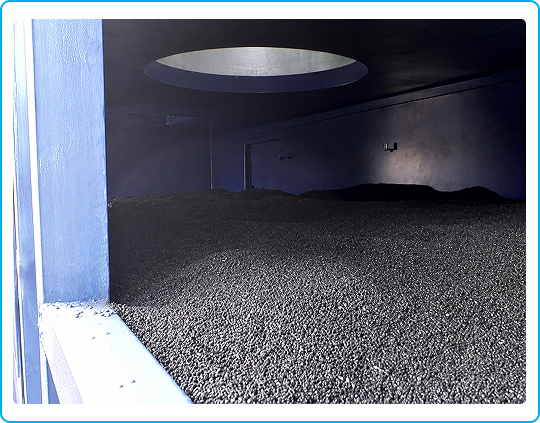
Available carbon types

Virgin activated carbon
General-purpose adsorption applications.

Impregnated activated carbon
Enhanced removal of H₂S, SO₂, Cl₂, NH₃, and specific contaminants.

Catalytic activated carbon
Selective adsorption for specific components under severe circumstances like high humidity.

Pelletised, granular or powder carbon
Available in multiple sizes to solve any distribution challenges.
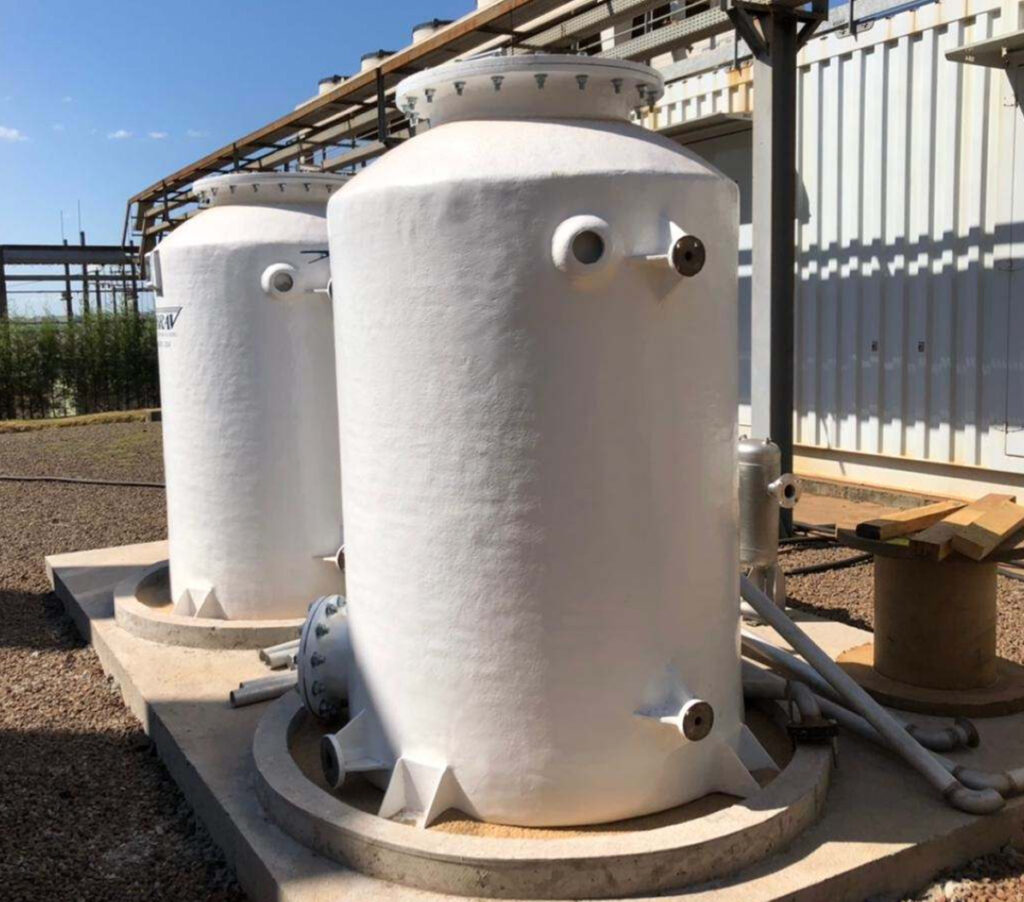
activated carbon filters
Looking for a complete filtration system?
Activated carbon is only part of the solution.
We also design and supply complete Activated Carbon Filter systems tailored to industrial air pollution control, VOC removal, and odour treatment applications.
Laboratory Testing Service
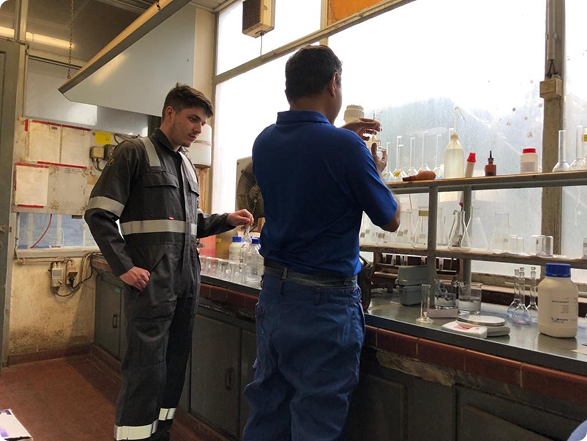
Optimize carbon replacement intervals
Our in-house laboratory can evaluate:
Helping you reduce unnecessary replacements and optimize operating costs.
FAQ
Do you have questions?
SOLUTIONS, PRODUCTS AND SERVICES
Continue exploring
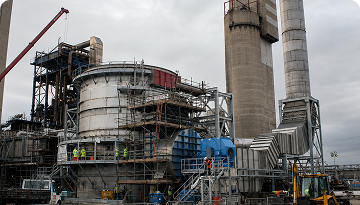
Solutions
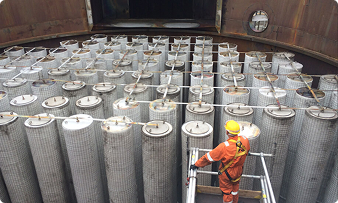
Products
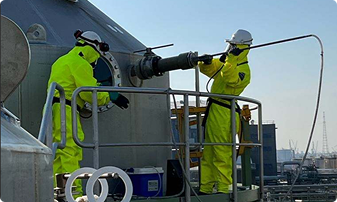
Services
GET IN TOUCH
Request a quote or speak with our experts to find the best solution for your plant.