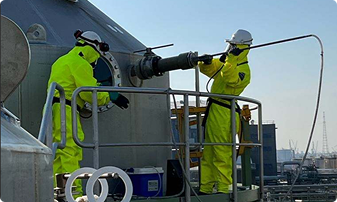
Gas emission control: sustainable solutions for a cleaner future

What is gas emission control?
The emission of pollutant gases alters the chemical composition of the atmosphere, leading to harmful effects on the planet and human health.
Gas emission control refers to a set of environmental engineering solutions designed to recover energy and raw materials or convert waste products into reusable materials.
The importance of gas emission control
Controlling industrial gas emissions is crucial to prevent the imbalance of the greenhouse effect, global warming, and climate change.
Pollutant gases directly contribute to the rise in global temperature and air quality degradation, threatening both human health and ecosystems.
By adopting effective gas emission control technologies, industries can significantly limit harmful emissions, ensuring cleaner operations and compliance with environmental standards.
Main pollutants controlled
The gas emission control process involves filtration, absorption (using gas scrubbers), and adsorption (with activated carbon) to capture and neutralize contaminants.
The main gases monitored include:
- Carbon dioxide (CO₂)
- Hydrogen sulfide (H₂S)
- Mercaptans
- Nitrous oxide (N₂O)
- Ozone (O₃)
- Chlorofluorocarbons (CFCs)
- Carbon monoxide (CO)
- Sulfur dioxide (SO₂)
- Volatile organic compounds (VOCs)
- Nitrogen oxides (NOx)
These pollutants are commonly released in industrial processes, making their control a fundamental part of sustainable production practices.


Sustainable industrial solutions by Ecosystems Europe
Ecosystems Europe specializes in advanced environmental technologies for gas cleaning and air treatment.
With decades of expertise, the company develops efficient, cost-effective, and energy-saving systems that help industries reduce emissions, recover valuable resources, and minimize their carbon footprint.
Through continuous innovation and engineering excellence, Ecosystems Europe provides tailor-made solutions to ensure compliance with environmental regulations while promoting a sustainable industrial future.
GET IN TOUCH
Request a quote or speak with our experts to find the best solution for your plant.

You may also like:
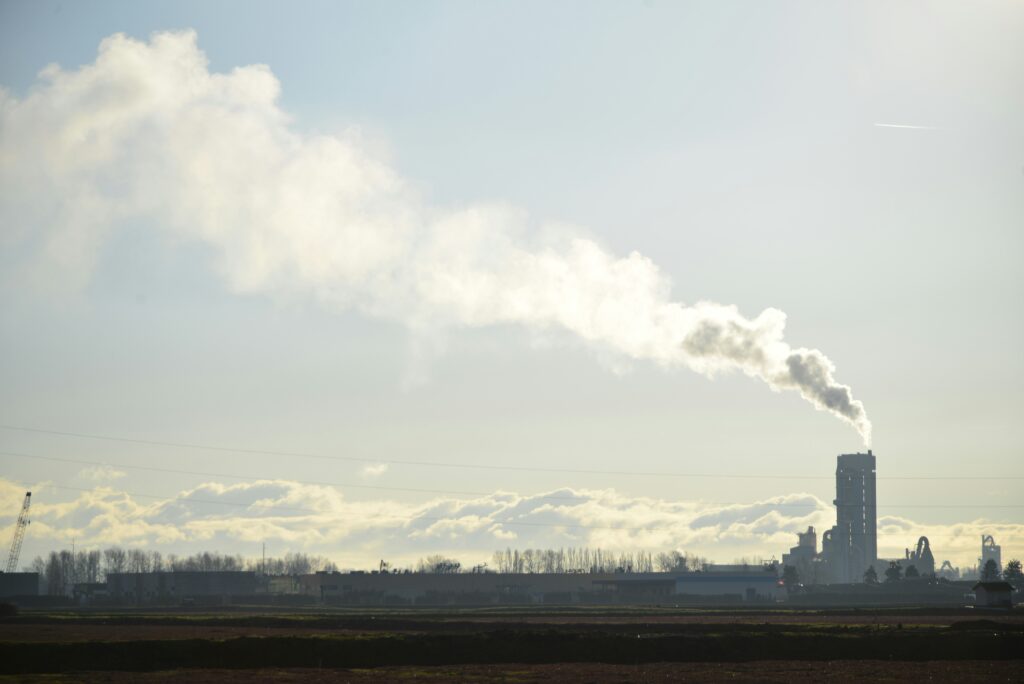
Advanced organic mist removal for industrial processes
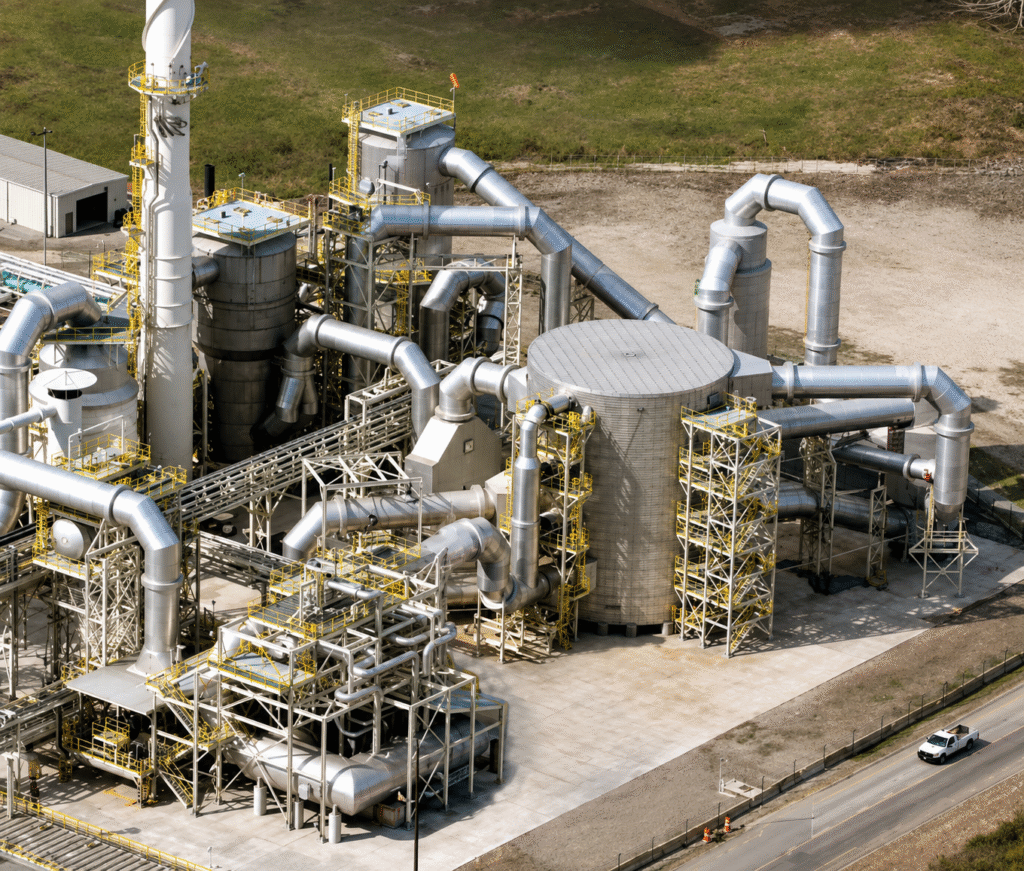
Is your sulfuric acid plant at risk of costly failures?
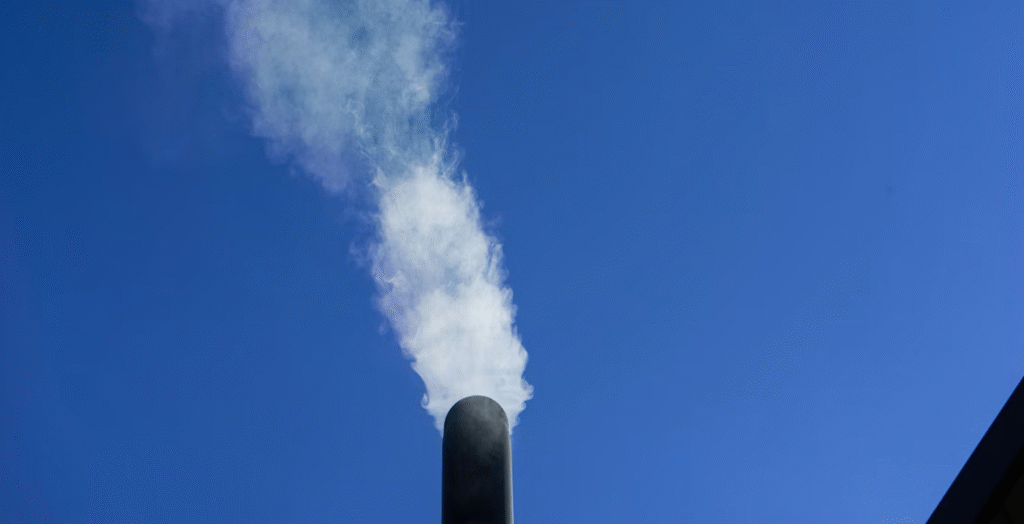
3 ways industries can reduce gas emissions today
SOLUTIONS, PRODUCTS AND SERVICES
Continue exploring
Solutions
Products